Night Vision for Boats
Affiliate Disclosure: This article contains affiliate links. We may earn a commission at no extra cost to you. Full disclosure
📋 Table of Contents
Understanding Night Vision for Boats
Night vision for boats — thermal and low-light optics reveal obstacles, buoys, and other vessels in the dark, a major safety aid on night runs. This guide covers thermal vs. low-light and when the investment pays off.
Night vision prevents collisions — and is valuable gear to insure.
FLIR thermal and IR cameras. Understanding this topic is essential for any boat owner who wants to make informed decisions about their coverage and protection on the water.
Key Factors That Affect Night Vision for Boats
- Thermal. Sees heat, cuts through dark.
- Low-light.Amplifies available light.
- Use. Night runs, navigation.
- Cost. Significant investment.
- Value. Schedule as gear.
Several critical factors influence your options:
- Vessel Type and Size — Significantly impacts coverage and premiums
- Operating Area — Affects risk assessment and pricing
- Experience Level — Boating history affects rates
- Coverage Limits — Higher limits increase premiums
- Deductible Amount — Higher deductibles lower annual costs
How to Choose the Right Night Vision for Boats
- Step 1: Decide thermal vs. low-light.
- Step 2: Confirm night-use need.
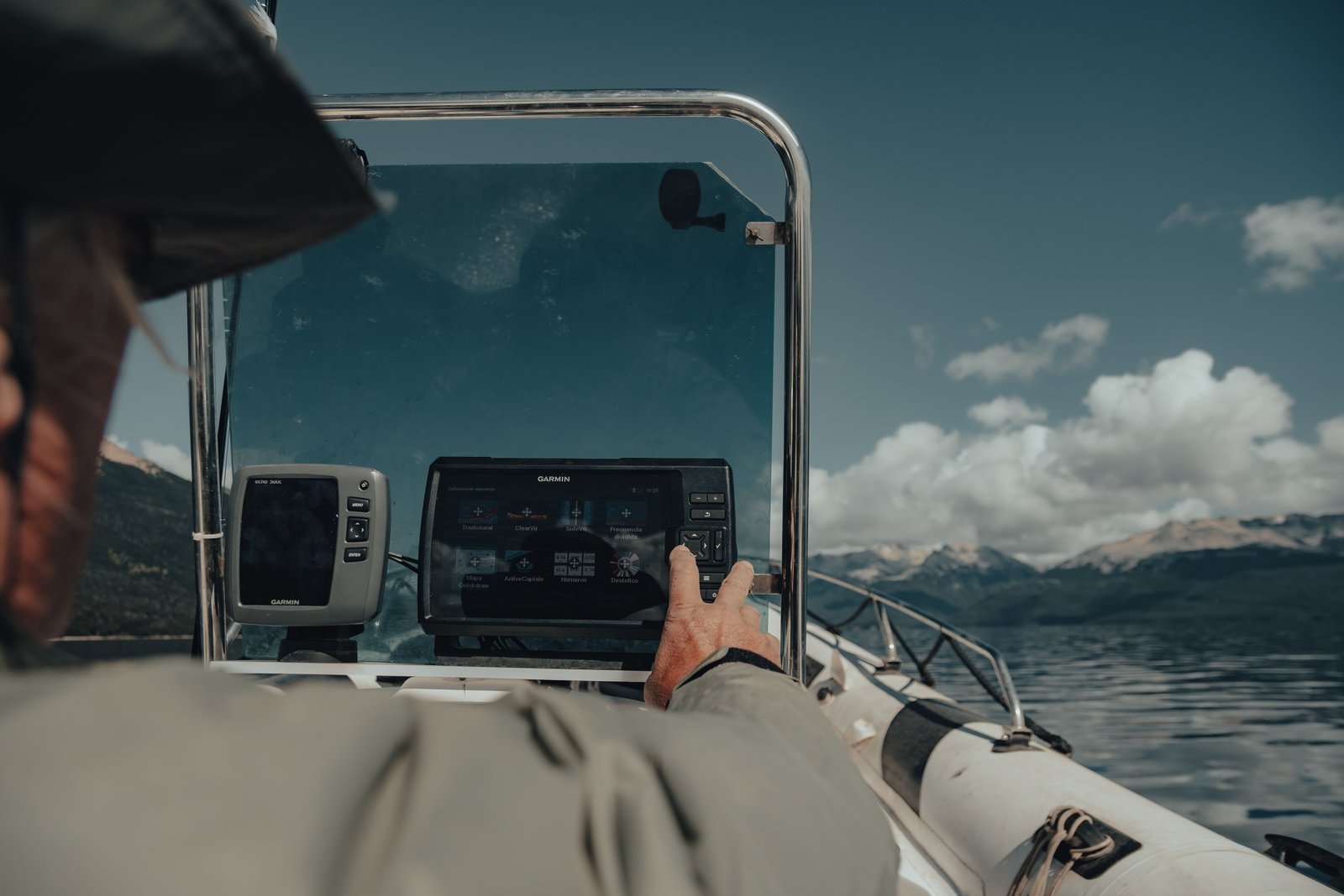
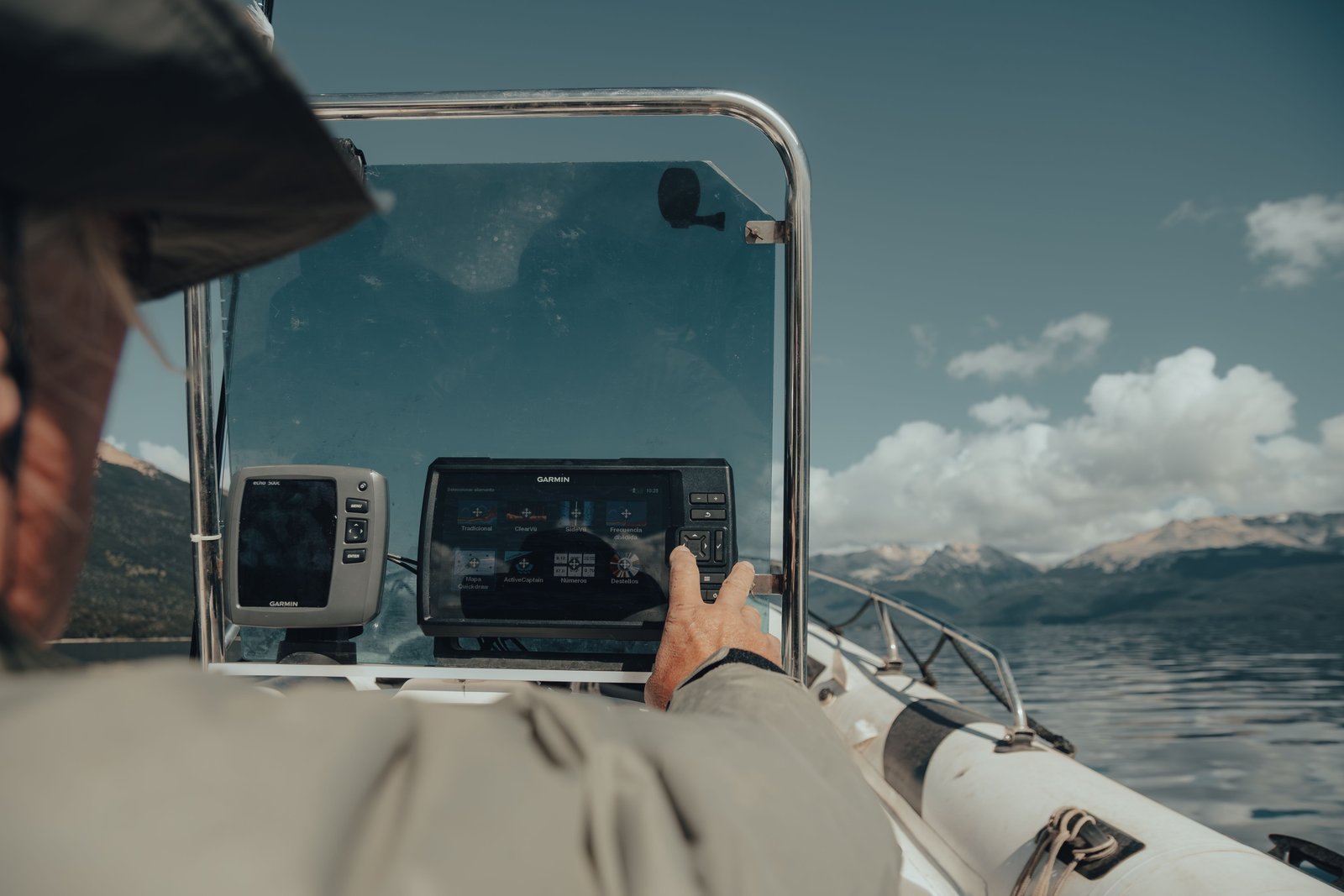
- Step 3: Integrate with displays.
- Step 4: Train on reading the image.
- Step 5: Schedule it on your policy.
Selecting the right option requires careful comparison:
- Step 1: Assess your specific needs
- Step 2: Obtain quotes from at least three providers
- Step 3: Compare coverage details, not just pricing
- Step 4: Review exclusions and limitations
- Step 5: Check provider financial strength and claims reputation
Common Mistakes to Avoid
- Buying without night-use need.
- Wrong type for conditions.
- No display integration.
- Misreading the image.
- Not scheduling the value.
Avoid these costly mistakes:
- Choosing the cheapest policy without comparing coverage
- Failing to disclose all vessel information
- Not understanding exclusions and territorial restrictions
- Overlooking proper valuation methods
- Neglecting to update coverage after modifications
Expert Recommendations
Our recommendation: if you run at night, add thermal or low-light vision integrated with your displays and train on reading it — it prevents dark-water collisions. Schedule the unit on your policy; night-vision gear is expensive and worth insuring.
Based on our analysis, we recommend:
First, always work with a marine insurance specialist. Second, consider bundling coverage for significant discounts. Finally, review your coverage annually as your needs and the market change.
Recommended Gear
Essential equipment for this topic. As an affiliate we may earn a commission on qualifying purchases — at no extra cost to you.