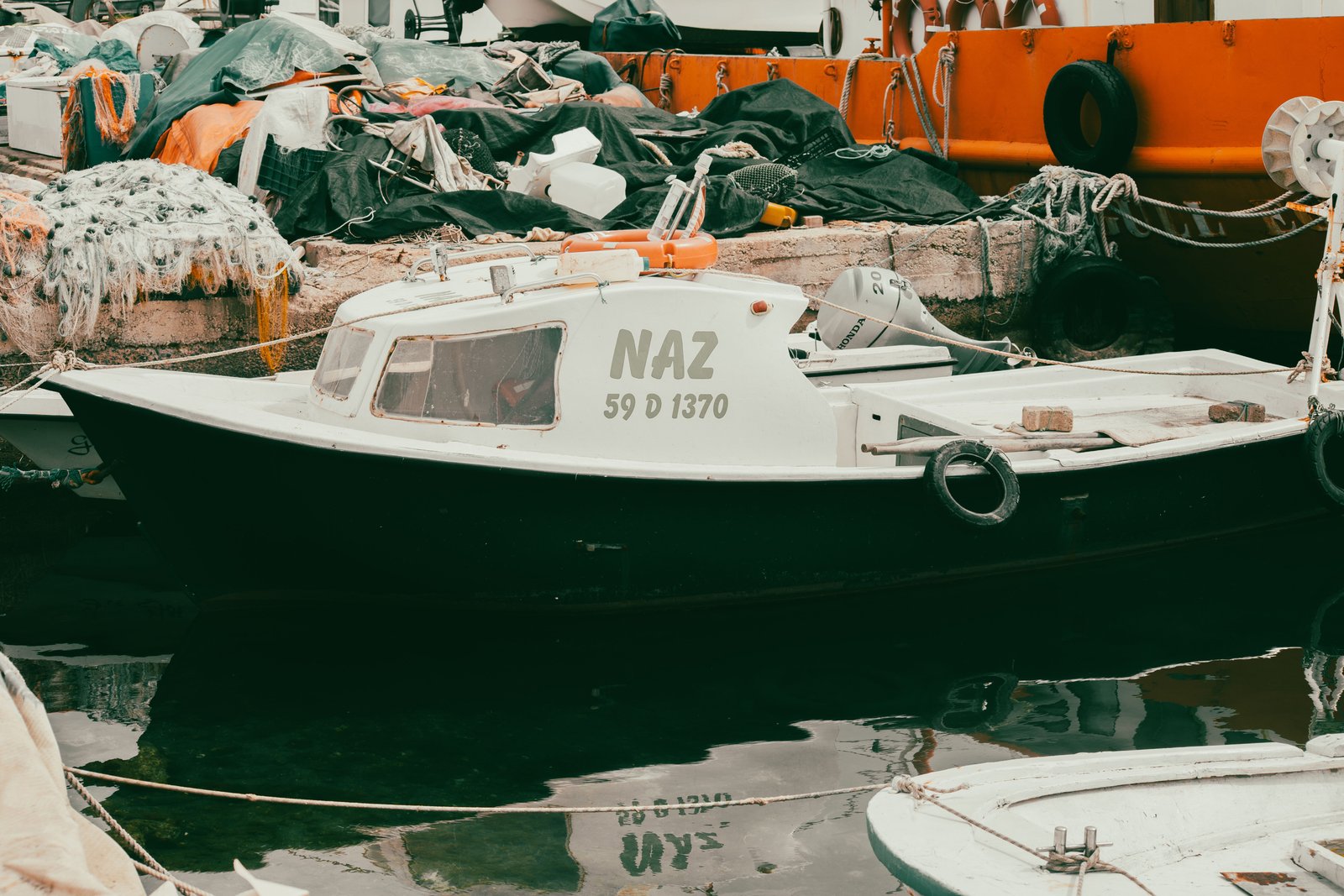
Boat Registration by State
Affiliate Disclosure: This article contains affiliate links. We may earn a commission at no extra cost to you. Full disclosure
📋 Table of Contents
Understanding Boat Registration by State
Boat registration by state varies more than most new owners expect: some states title and register every vessel, others exempt non-motorized craft, and a few defer to U.S. Coast Guard documentation for larger boats. This guide explains the framework so you know what to do where you boat, and where to find your state's exact requirements.
Registration is also an insurance input — carriers ask for hull ID and state of registration on the application.
Requirements, fees, and processes for all 50 states. Understanding this topic is essential for any boat owner who wants to make informed decisions about their coverage and protection on the water.
Key Factors That Affect Boat Registration by State
- State agency. Usually the DMV, wildlife, or natural-resources department.
- Motorized vs. non-motorized.Many states exempt human-powered kayaks/canoes.
- Length thresholds. Documentation vs. state registration kicks in around 26+ feet.
- Fees and renewal. Annual or multi-year, varying widely by state and length.
- Hypothecation / lien. Financed boats record the lien with the state.
Several critical factors influence your options:
- Vessel Type and Size — Significantly impacts coverage and premiums
- Operating Area — Affects risk assessment and pricing
- Experience Level — Boating history affects rates
- Coverage Limits — Higher limits increase premiums
- Deductible Amount — Higher deductibles lower annual costs
How to Choose the Right Boat Registration by State
- Step 1: Find your state's boating agency and the exact rules for your vessel.
- Step 2: Confirm whether your kayak/boat is exempt before assuming.
- Step 3: Register before launching — it's typically required for motorized use.
- Step 4: Keep the HIN and registration handy for insurance applications.
- Step 5: Renew on time; lapses complicate sales and coverage.
Selecting the right option requires careful comparison:
- Step 1: Assess your specific needs
- Step 2: Obtain quotes from at least three providers
- Step 3: Compare coverage details, not just pricing
- Step 4: Review exclusions and limitations
- Step 5: Check provider financial strength and claims reputation

Common Mistakes to Avoid
- Launching a motorized boat without registering it — a citation risk.
- Assuming a kayak is always exempt when your state differs.
- Confusing state registration with USCG documentation on larger boats.
- Letting registration lapse and complicating a future sale.
- Not recording a lien properly on a financed vessel.
Avoid these costly mistakes:
- Choosing the cheapest policy without comparing coverage
- Failing to disclose all vessel information
- Not understanding exclusions and territorial restrictions
- Overlooking proper valuation methods
- Neglecting to update coverage after modifications
Expert Recommendations
Our recommendation: register before your first launch and keep the documentation with your insurance records. Requirements are state-specific, so confirm with your state boating agency rather than assuming — and have the HIN ready when you apply for coverage.
Based on our analysis, we recommend:
First, always work with a marine insurance specialist. Second, consider bundling coverage for significant discounts. Finally, review your coverage annually as your needs and the market change.
Top Boat Ownership Providers
| Provider | Best For | Rating | |
|---|---|---|---|
BoatUS | Marine specialist with towing benefits | ★★★★★ | Get Quote → |
Progressive | Diminishing deductibles | ★★★★☆ | Get Quote → |
GEICO | Multi-policy discounts | ★★★☆☆ | Get Quote → |
State Farm | Bundling discounts | ★★☆☆☆ | Get Quote → |
Recommended Gear
Essential equipment for this topic. As an affiliate we may earn a commission on qualifying purchases — at no extra cost to you.

Frequently Asked Questions
Popular pickup: rent in West Palm Beach — boat rentals by Sailo.