Average Cost of Boat Insurance
Affiliate Disclosure: This article contains affiliate links. We may earn a commission at no extra cost to you. Full disclosure
📋 Table of Contents
Understanding Average Cost of Boat Insurance
Last updated: 2026 · Reviewed by the Fishing & Boat Insurance Authority editorial team
Most recreational boat owners pay roughly $250 to $500 per year for boat insurance, or about $25–$75 per month — but the real number swings widely with your boat's value, type, home state, and coverage. According to Progressive's 2023–2024 rate data, the average annual policy ranged from about $301 in low-cost states to $657 in high-cost coastal states, and as high as $839 in Florida.
A widely used industry rule of thumb is that annual premiums run about 1.5% of the boat's value — roughly $25/month for a $20,000 boat. For yachts and high-value vessels, expect 1%–2%+ of value per year. Below we break down what drives the price, average cost by boat type, and how to pay less.
Breakdown of costs by vessel type, size, and location. Understanding this topic is essential for any boat owner who wants to make informed decisions about their coverage and protection on the water.

Key Factors That Affect Average Cost of Boat Insurance
Boat insurance isn't priced from a single sticker — insurers weigh several factors. The biggest ones:
- Boat value & type. A $15k pontoon and a $200k cabin cruiser aren't in the same universe. Fishing boats, pontoons, sailboats, and PWC each carry different risk profiles.
- Length, horsepower & speed. Bigger engines and high-performance hulls raise rates — more speed, more risk.
- Home state & waters. Coastal and hurricane-exposed states (FL, LA, TX) cost far more than inland/Great Lakes states. See our state-by-state guides.
- Usage. Offshore saltwater costs more than a freshwater lake; year-round use costs more than a short season with a winter lay-up.
- Coverage type. Agreed Value (pays a set amount, no depreciation) costs more than Actual Cash Value (depreciated payout) — but pays out better after a total loss.
- Deductible. A higher deductible lowers your premium. Coastal policies often add a separate named-storm/hurricane deductible.
- Experience & record. A clean boating record and a completed safety course earn discounts; new boaters pay more.
- Liability limits & discounts. Higher liability raises cost slightly; multi-policy, multi-boat, and pay-in-full discounts lower it.
Why the north is cheaper: Progressive notes inland and Great Lakes states have smaller boats and shorter seasons, so they fall in the low-cost tier, while coastal southern states with larger ocean-going boats cost the most.
Several critical factors influence your options:
- Vessel Type and Size — Significantly impacts coverage and premiums
- Operating Area — Affects risk assessment and pricing
- Experience Level — Boating history affects rates
- Coverage Limits — Higher limits increase premiums
- Deductible Amount — Higher deductibles lower annual costs
How to Choose the Right Average Cost of Boat Insurance
Here's the data most people come for — typical annual premium ranges by boat type. Actual quotes vary by the factors above, so treat these as ballparks and always compare real quotes.
| Boat type | Typical annual premium |
|---|---|
| Pontoon boat (under $40k) | ~$280–$420 ($23–$35/mo) |
| Bass / fishing boat | ~$300–$500 |
| Bowrider / runabout | ~$300–$600 |
| Sailboat | ~$250–$600 |
| Cabin cruiser | ~$600–$1,500+ |
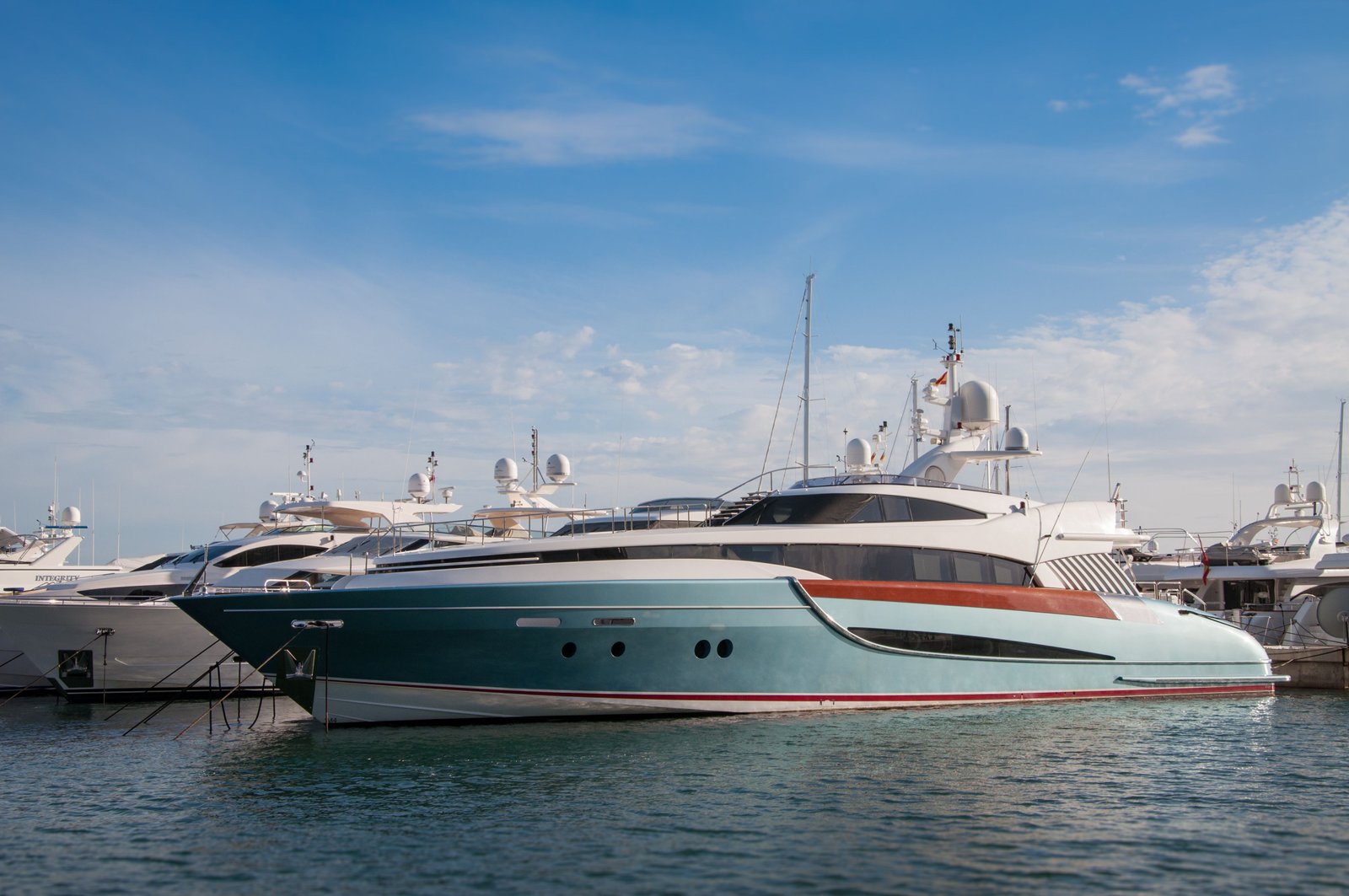
| Yacht (high value) | ~1%–2% of value ($5,000–$25,000+) |
| PWC / jet ski | ~$100–$300 |
The 1.5% rule in practice: multiply your boat's value by ~1.5% for a quick annual estimate. A $30,000 boat → roughly $450/year (~$38/month). Higher-value or coastal boats trend toward 2%+.
Where you buy matters too. A few well-known providers and what they're known for:
- Progressive — policies advertised from as low as $100/yr; strong discounts (safety course, pay-in-full, original owner).
- BoatUS / GEICO Marine — boating-focused, bundles well with towing membership.
- Markel — specialty marine insurer, good for higher-value and liveaboard boats.
- State Farm / Allstate — convenient multi-policy bundling with home/auto.
Selecting the right option requires careful comparison:
- Step 1: Assess your specific needs
- Step 2: Obtain quotes from at least three providers
- Step 3: Compare coverage details, not just pricing
- Step 4: Review exclusions and limitations
- Step 5: Check provider financial strength and claims reputation
Common Mistakes to Avoid
These common mistakes quietly inflate what you pay — or leave you underinsured:
- Insuring the wrong hull value. Over-insuring wastes money; under-insuring leaves a gap after a total loss.
- Ignoring the named-storm deductible. In coastal states this can be a large percentage of the boat's value — know it before hurricane season.
- Not bundling. Skipping multi-policy (home/auto) and multi-boat discounts leaves easy savings on the table.
- Skipping a safety course. A recognized boating-safety course often earns a direct discount.
- Defaulting to ACV without thinking. Actual Cash Value is cheaper but depreciates your payout; Agreed Value costs more but protects newer boats.
- Getting only one quote. Rates vary widely between insurers for the same boat — always compare at least three.
Avoid these costly mistakes:
- Choosing the cheapest policy without comparing coverage
- Failing to disclose all vessel information
- Not understanding exclusions and territorial restrictions
- Overlooking proper valuation methods
- Neglecting to update coverage after modifications
Expert Recommendations
How to get the best price: boat insurance is very negotiable once you know the levers. To lower your premium:
- Bundle with your home/auto insurer for a multi-policy discount.
- Raise your deductible if you can absorb the out-of-pocket risk.
- Complete a boating-safety course and ask for the discount.
- Use a lay-up period (reduced off-season coverage) in cold-winter states.
- Pay in full and ask about original-owner and clean-record discounts.
- Compare at least three quotes — the single biggest way to save.
The fastest way to see your real number is to compare quotes from top-rated boat insurers side by side. Compare boat insurance quotes →
Frequently asked questions
How much does boat insurance cost per month?
Most boaters pay about $25–$75 per month, though small PWC can be under $15 and large cruisers/yachts far more.
How much is insurance on a $50,000 boat?
Using the ~1.5% rule, roughly $750/year (~$62/month) as a baseline — more in coastal states, less inland.
Does boat insurance cost more in Florida?
Yes. Florida is among the most expensive states; Progressive's 2023–2024 data showed a Florida average near $839/year due to hurricane exposure and year-round boating.
Is boat insurance required by law?
Most states don't legally require it, but marinas and lenders usually do. See our guide on whether you need boat insurance.
Is boat insurance cheaper than car insurance?
For most recreational boats, yes — the average boat policy is often lower than the average auto policy, because boats are used seasonally and less frequently.
Sources: Progressive average boat insurance cost data (2023–2024); Ramsey Solutions boat insurance cost guide; industry 1.5%-of-value rule of thumb. Rates change — always verify with a current quote.
Based on our analysis, we recommend:
First, always work with a marine insurance specialist. Second, consider bundling coverage for significant discounts. Finally, review your coverage annually as your needs and the market change.
Top Boat Insurance Providers
| Provider | Best For | Rating | |
|---|---|---|---|
BoatUS | Marine specialist with towing benefits | ★★★★★ | Get Quote → |
Progressive | Diminishing deductibles | ★★★★☆ | Get Quote → |
GEICO | Multi-policy discounts | ★★★☆☆ | Get Quote → |
State Farm | Bundling discounts | ★★☆☆☆ | Get Quote → |
Recommended Gear
Essential equipment for this topic. As an affiliate we may earn a commission on qualifying purchases — at no extra cost to you.